IHS CBM
IHS coalbed methane (CBM) is a software package for estimating reserves and generating forecasts for new plays, or analyzing production and pressure data for producing reservoirs. For additional information, see CBM Properties.
Note: For a video-based explanation about IHS CBM, watch our Training Videos (opens in a new window).
IHS CBM uses the following analysis methods:
|
|
|
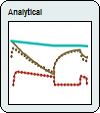
AnalyticalWith analytical analysis methods, you can create your own reservoir model to validate the results of your analyses. You can also create more complicated reservoir models such as multilayer, composite, and multi-stage fractured Hz composite models for history matching. |
|
|
|
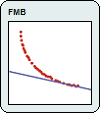
FMBThe flowing material balance (FMB) analysis method uses reservoir performance flow data to evaluate original hydrocarbons in place. This technique is a good alternative to static material balance method for estimating hydrocarbon in place without having to shut the well in. |
|
|
|
Material BalanceGas Material Balance is a performance-based interpretation method used to determine original-gas-in-place (OGIP) based on production and static pressure data. It relates the original gas in the reservoir to the production volumes and current pressure conditions and fluid properties. Oil Material Balance is a performance-based method used to interpret, analyze, and model static pressure and production data from oil reservoirs in order to determine pool groupings, OOIP, gas cap size, drive mechanisms, and theoretical recovery factor. CBM Material Balance is a performance-based method used to analyze coalbed methane reservoir production volumes of gas and water, along with shut-in pressures to determine the OGIP. |
|
|
|
NumericalThese analysis methods model multiphase flow situations in the reservoir. Numerical models can also be used to enhance the modeling exercise when more detailed reservoir data is available in more complicated cases. |
|
|
|
Probabilistic & SensitivityA probabilistic analysis is a technique to quantify the impact of uncertainties on output variables, and to find the range of probable outcomes as well as the most likely. A sensitivity analysis is the systematic investigation of the reaction of the simulation outputs to extreme values of the model’s input. |
|
|
|
PSS ModelThis analysis method solves the aquifer influx equation with the material-balance equation for the reservoir. |
|
|
|
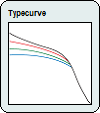
TypecurveThis analysis method has several different versions:
|
|
|
|
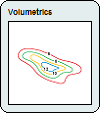
VolumetricsThis analysis method is a technique used to estimate the original hydrocarbon fluid volume in a reservoir based on the properties of the reservoir rock along with limited knowledge of the fluid saturations. |